Unlock Your Brain's Full Potential
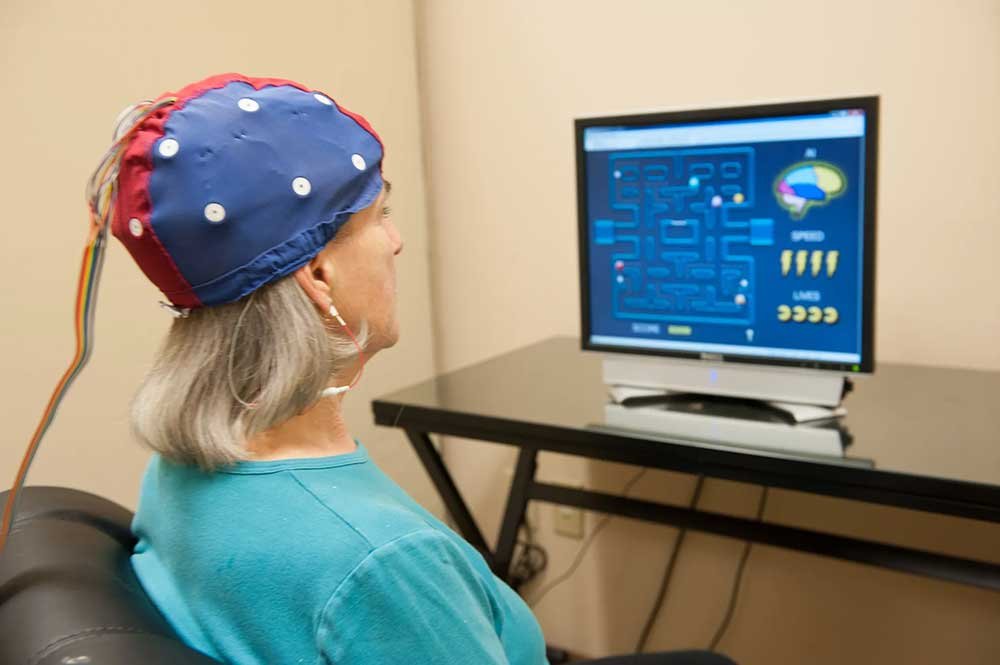
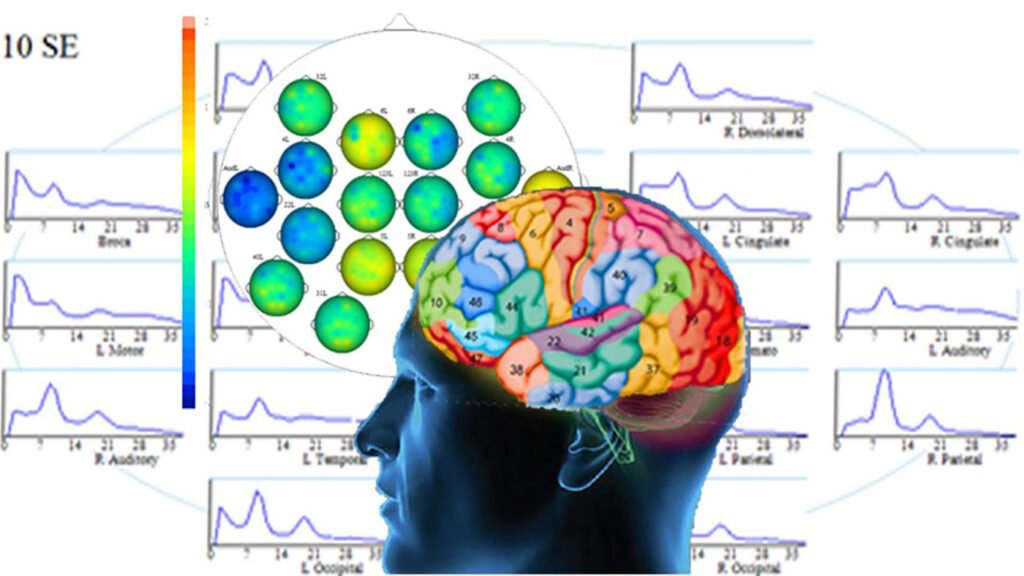
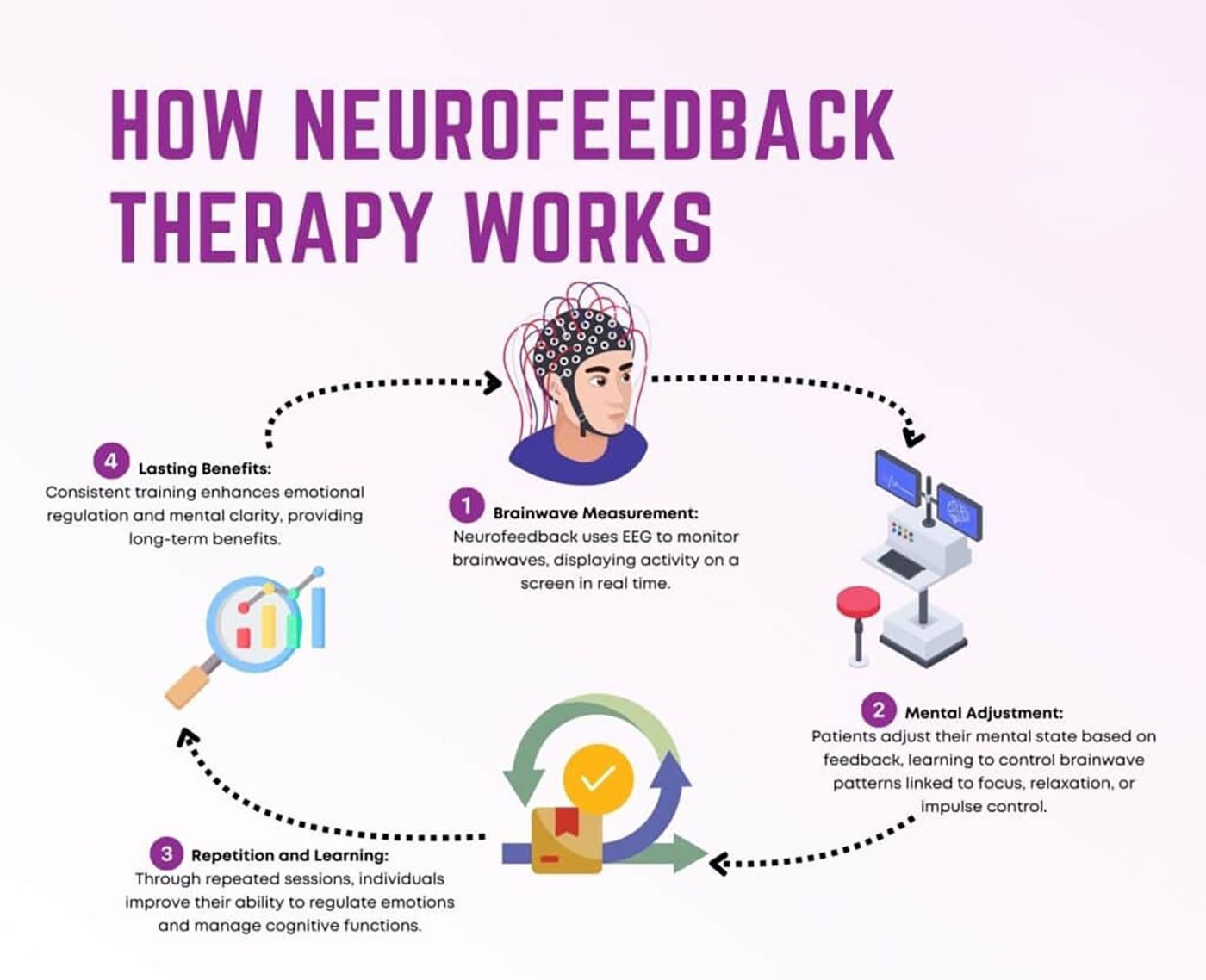
Neurofeedback, also known as EEG biofeedback, is a non-invasive form of brain training that helps individuals learn to regulate their own brain activity. Developed from neuroscience research in the 1960s, neurofeedback uses sensors placed on the scalp to monitor electrical activity in the brain (EEG) and provides real-time feedback through visual or auditory cues. Over time, the brain learns to reinforce healthier patterns of activity, much like strengthening a muscle through repeated exercise.
Today, neurofeedback is used by clinicians, therapists, elite athletes and performance coaches around the world to support mental wellbeing and cognitive performance.
Neurofeedback has shown promising results in helping improve focus and attention, reduce stress and anxiety, support emotional regulation, enhance sleep quality, improve resilience to everyday pressures and optimise peak mental performance.
As a drug-free, painless and personalised approach, neurofeedback aims to help the brain function more efficiently, enabling many people to feel calmer, think more clearly and perform at their best.


we’re here to all your questions
We offer extended support via WhatsApp from 08:00 – 21:00 6 days a week. If you have a question, send us a message and we will do our best to come back to you as soon as possible.
You can also check out our dedicated FAQ page here
What Conditions Can Neurofeedback Help With?
- ADHD and Focus
- Anxiety, Stress, and Depression
- Trauma and PTSD
- Sleep Disorders (Insomnia)
- Migraines
- Autism
What Happens During A Session
A typical session lasts 30 to 45 minutes. Sensors are placed on your scalp to measure activity, and you passively watch a video or listen to music. When your brain hits optimal frequency targets, the video plays smoothly; if your brain drifts, the screen dims or the audio pauses. No electricity enters your brain.
What ages can benefit from Neurofeedback
- Minimum Age: Usually around 4 or 5 years old.
- Requirement: The child must be able to sit relatively still for 20 to 30 minutes.
- Common Uses: ADHD, behavioral challenges, developmental delays, and bedtime anxieties.
- Engagement: Therapists often use child-friendly video games or cartoons that respond to their brainwaves to keep them engaged.
- Adaptability: Teen brains are highly plastic, making them incredibly receptive to training.
- Common Uses: Test anxiety, academic stress, depression, sports performance, and emotional regulation.
- Versatility: This is the largest group using the technology.
- Common Uses: Chronic stress, burnout, insomnia, PTSD, panic attacks, and cognitive enhancement for professionals.
- Neuroplasticity: The brain retains the ability to change and learn at any age.
- Common Uses: Age-related cognitive decline, memory maintenance, sleep improvements, and stroke recovery support.
Do you accept cards?
Yes we do, in fact clients are required to register a card on our booking and payment system, even if you intend to pay by cash. We also accept bank transfer.